The Importance of Microbiome Balance
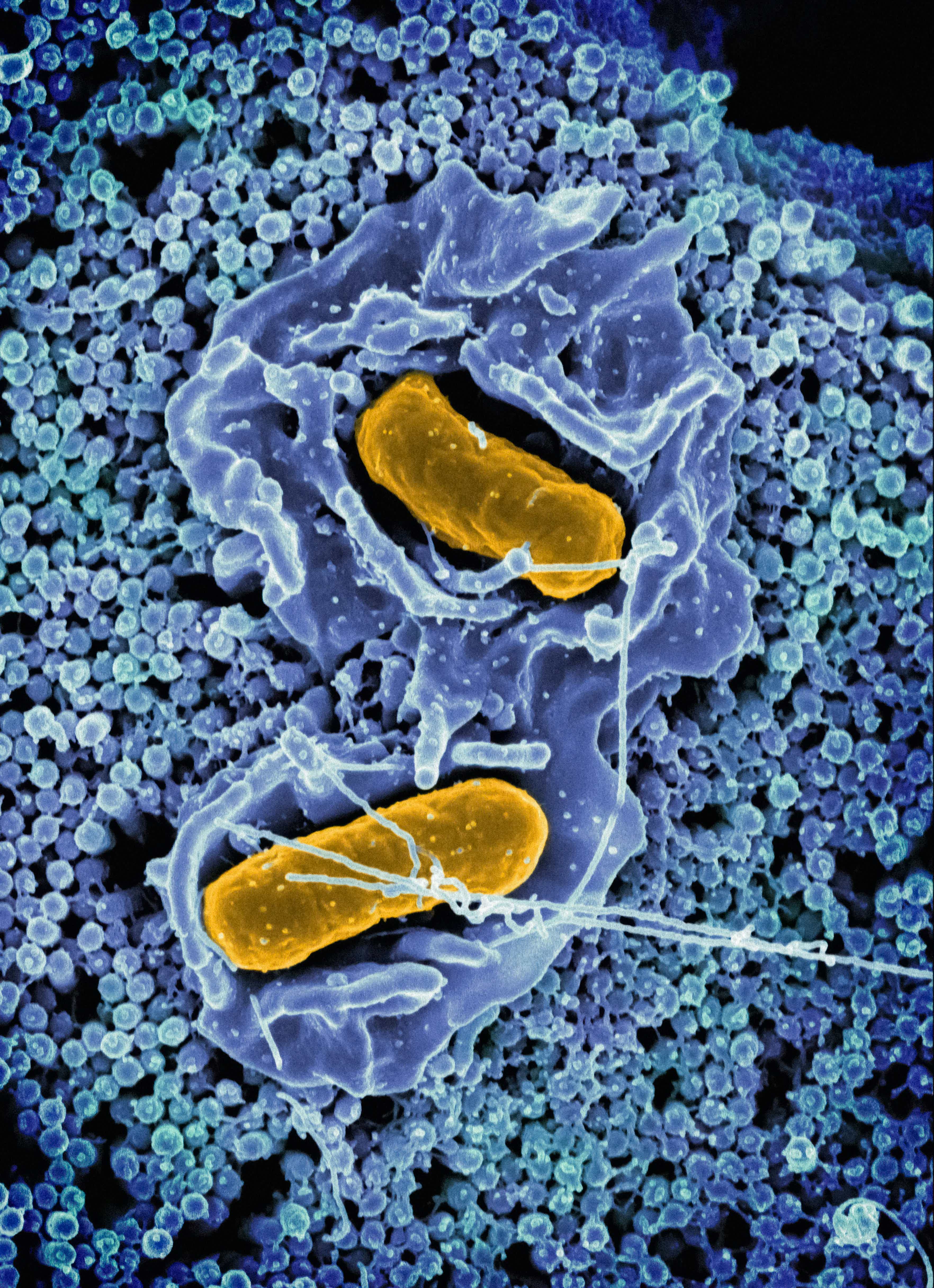
Microbiome Balance for Optimal Digestive Health & Whole-Body Wellness
You’ve probably heard the phrase “gut health is everything,” but the real star of the show is your microbiome — the trillions of bacteria, fungi, and other microbes living primarily in your large intestine. When your microbiome is balanced and diverse, digestion flows smoothly. When it’s out of balance (dysbiosis), you often feel it as persistent bloating, excessive gas, irregular bowel movements, fatigue, or even mood changes.
In my virtual naturopathic practice, restoring microbiome balance is one of the most transformative steps I help patients achieve — especially those struggling with IBS, SIBO, or lingering digestive issues.
Why Microbiome Balance Matters
A healthy microbiome performs essential jobs that affect far more than just digestion:
Breaks down food and produces nutrients (including short-chain fatty acids that reduce inflammation)
Regulates immune function — 70% of your immune system lives in the gut
Influences the gut-brain axis — affecting mood, anxiety, and brain fog
Supports metabolic health — helping stabilize blood sugar and energy levels
Maintains the intestinal barrier — preventing “leaky gut” and systemic inflammation
When the microbiome becomes imbalanced (too many harmful bacteria, not enough beneficial ones, and/or low diversity), common symptoms appear: stubborn bloating after meals, unpredictable bowels, excessive gas, and poor response to dietary changes.
In Chinese Medicine, this often relates to Spleen Qi deficiency with Damp accumulation — a pattern I see frequently in patients with chronic stress and irregular eating patterns.
What Disrupts the Microbiome?
Overuse of antibiotics or certain medications
Chronic stress and nervous system dysregulation
Highly processed diets low in fiber
Infections such as SIBO or H. pylori
Excessive alcohol, artificial sweeteners, or ultra-processed foods
Lack of diverse, real foods
I’ve learned that supporting microbiome balance doesn’t require fancy equipment — just consistent, practical habits.
How to Support a Healthy Microbiome Naturally
1. Eat Real, Diverse Foods
Focus on home-cooked meals rich in prebiotic fibers (cooked garlic, onions, asparagus, etc — introduced slowly if sensitive). Include a wide variety of colorful vegetables, quality proteins, and healthy fats.
2. Support Nervous System Regulation
Stress is one of the fastest ways to disrupt microbiome balance. Daily breathwork, self-acupressure (ST36 and CV6), and vagus nerve practices help maintain healthy gut motility and microbial harmony.
3. Stay Well Hydrated
I begin each day with hydrogen-rich structured Kangen water from my Enagic K8. Proper hydration supports mucosal health and helps create a better environment for beneficial bacteria.
4. Use Targeted Support When Needed
Probiotics and soil-based organisms chosen specifically for your needs
Prebiotic fibers or resistant starch (timed carefully)
Functional testing (GI-MAP stool analysis) to understand exactly what’s out of balance
5. Avoid Common Mistakes
Harsh elimination diets or constant antimicrobial use without repair phases can further damage the microbiome. Balance is key.
★★★★★ Verified Google Review
"I was dealing with an undiagnosed colitis for several months which turned out to be a parasitic infection inside my colon.
Thankfully, Dr. Kryzia was able to completely reverse this condition and now I'm feeling much, much better. I'd highly recommend her if you're deal with gastrointestinal issues and you're tired of the constant waiting, tests, disappointments and "band-aids" of the regular health care system."
Nolan, Gut patient
Ready to address the root?
I offer virtual naturopathic consultations tailored to your unique situation, including specialty testing interpretation and personalized healing plans.
Licensed Naturopathic Physician
Virtual Telemedicine Available
Start Your Healing Journey
Schedule your complimentary 15-minute discovery call with our clinician to discuss your health goals and next steps.
No obligation • Quick clinician-led response • Oregon & beyond